
Snap it, upload it, find out what it isIdentify a Photo

Photo

Fill the frame with the thing you want identified, in good light.

Plant Identifier

This plant identifier names a plant or flower from one photo, with care basics and whether it is safe for pets.

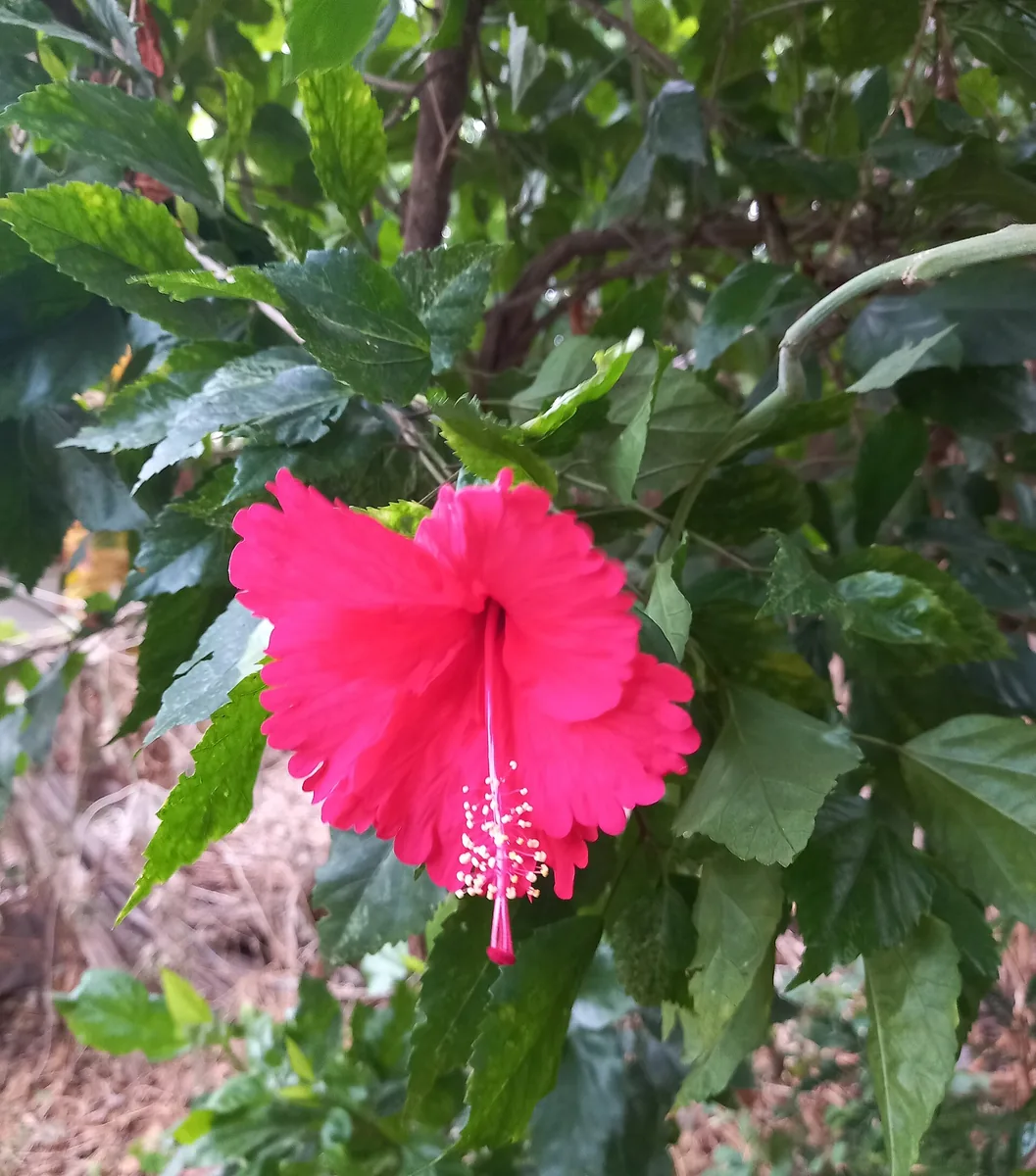
A bright pink hibiscus flower among green leaves, an example photo for the plant identifier
Example

Chinese Hibiscus (Hibiscus rosa-sinensis)

Flowering shrub · Mallow family

Confidence: 96%

This is a Chinese hibiscus, a popular tropical evergreen shrub known for its vibrant, large blossoms. The flower displays bright magenta-red petals with ruffled edges and a prominent central staminal column tipped with yellow anthers and red stigmas, framed by glossy, serrated ovate leaves.

Taxonomy

Family
Malvaceae
Genus
Hibiscus
Native range
Vanuatu and tropical Asia

Care

Light
Full sun to partial shade
Water
Regular, keep moist but not soggy
Soil
Well-draining, rich, slightly acidic
Hardiness
USDA zones 9–11

Safety

Cats
Non-toxic
Dogs
Non-toxic
People
Edible (petals commonly used in teas)

Quick Facts

  • Individual blooms typically last only a single day, though the plant continuously flowers throughout warm months.
  • It is the national flower of Malaysia, where it is known as Bunga Raya.
  • In traditional herbalism, the flowers and leaves have been used for hair care, skincare, and digestive health.

Did you know?

The flower is historically called the 'shoeblack plant' in parts of India and Jamaica because the crushed petals were used to polish shoes.

It could also be

  • Rose of Sharon (Hibiscus syriacus)18%
  • Scarlet Rosemallow (Hibiscus coccineus)12%
  • Fringed Hibiscus (Hibiscus schizopetalus)8%

An example answer. Upload your own photo to identify it.

A bright pink hibiscus flower among green leaves, the example photo for the plant identifier

What the plant identifier puts on one answer card

Name, care and pet safety for a plant or flower, from a single photo and with nothing to install.

Upload a photo of a leaf, a flower or a whole plant and the plant identifier names it: the common name first, the scientific name in brackets, then the plant type and family on one line. Below that you see the AI's own confidence and a two or three sentence summary of the features it used, such as petal shape, leaf edges or the way the flower is built.

Three groups follow on every answer. Taxonomy gives the family, genus and native range. Care gives light, water, soil and hardiness as short values you can act on. Safety has separate rows for cats, dogs and people, and says Unknown when the AI is not sure. The card ends with quick facts and two or three look-alikes, each with its own score.

On our sample photo of a pink hibiscus, the answer was Chinese Hibiscus (Hibiscus rosa-sinensis) at 96%, hardy in USDA zones 9 to 11, listed as non-toxic to cats and dogs.

Made for

  • Houseplant owners
  • Gardeners
  • Pet owners
  • Hikers
  • Students
  • Plant shoppers

How to identify a plant by photo

Each plant identifier scan reads one photo, so the frame you choose does most of the work.

  1. 1

    Frame the flower and one leaf together

    Flowers and fruit usually separate close relatives better than leaves do, so get a bloom and a full mature leaf in the same shot when you can. Use daylight, keep it sharp and let the plant fill the frame instead of the pot or the lawn.

  2. 2

    Upload the photo

    Drag in or pick a JPG, PNG, WebP or HEIC file. The photo is resized in your browser first, and the plant ID answer usually arrives in 10 to 20 seconds.

  3. 3

    Read the name, then the runners-up

    Compare the top name with the look-alikes under It could also be. On our hibiscus sample the top answer scored 96% and the closest runner-up, Rose of Sharon, scored 18%; when the scores sit close together, a new photo of the flower or the stem helps more than scanning the same one again.

When a plant and flower identifier helps

Most plant questions come with a second one: how do I keep it alive, or is it safe at home?

A houseplant that lost its tag

Gift plants and supermarket pots rarely come with a name. Once the plant identifier names yours, the Care group gives the light, water and soil to start from.

A new house, a garden you didn't plant

Walk the beds and run the plant identifier on the shrubs you don't know. Native range and hardiness tell you where each plant comes from and the climate it grows in.

Checking a plant before your cat or dog finds it

Cats and dogs have their own Safety rows, so you see both at a glance. Treat the line as a starting point and confirm a worrying answer with your vet.

At the garden center

A plant ID from a photo of an unlabeled pot shows its hardiness zone before you pay. A tropical shrub rated for zones 9 to 11 will not survive a cold winter outdoors.

Cut flowers and bouquets

Use the flower identifier on a single stem from a bouquet to learn what it is called, so you can ask a florist for it again or look for it as a garden plant.

Wildflowers on a walk

Photograph a wildflower where it grows and read its name and range later. Leave it in the ground, and never pick or eat a wild plant because of a photo match.

Biology class and nature journals

The scientific name and family give students the right term to look up in a field guide or plant database.

Before you act on a plant identifier answer

What the answer can carry, and where a person who can see the plant should decide.

  • The Safety rows are a pointer, not a clearance

    Pet and people toxicity is reported from sources such as the ASPCA, and a wrong name means a wrong safety line. If a pet or a child has chewed a plant, call your vet or poison control instead of relying on the card.

  • The percentage is how sure the AI says it is

    The AI is told to score lower on blurry, partial or look-alike plants and to give a genus or family when it can't be sure of the species. No accuracy rate has been measured.

  • Photo sent, not stored

    Your photo is sent to the AI model only to identify it; we do not save it or use it to train AI models. The answer is shown only on this page and is gone when you refresh or leave.

  • One free scans each day

    No sign-up and no credit card. The daily count resets at midnight UTC and is shared by every identifier on this site.

Frequently asked questions

Yes. Take the photo with your phone camera, then open this page in your phone's browser and upload it. iPhone HEIC photos are converted in the browser before they are sent, and the answer appears as a text card on the same page.

This plant identifier gives every visitor one free scans a day with no account, no trial and no credit card. Many plant ID apps cap free use at a number of IDs a month or switch to a paid subscription after a short trial, so check the limits before you install one.

This page is made for the plant question alone. Instead of similar images, you get one card with the common and scientific name, care values, separate pet safety rows and ranked look-alikes, so you don't have to piece the answer together from several pages.

You don't need an app for this one. The flower identifier runs in any browser on a phone, tablet or computer, with nothing to install. There is no app version, no saved history and no account.

Take one sharp photo in daylight that shows the open flower from the front and at least one leaf. Upload it here, then compare the top name with the look-alikes and their scores. For a firm answer, a local garden center, a botanic garden or an Extension office can look at the real plant.

No plant identifier working from a photo can promise the right name every time, and we publish no accuracy figure. What you can do is read the confidence and the look-alikes: a clear lead over the runner-up is a stronger answer than several names with close scores.

The plant identifier's Safety group answers for cats, dogs and people separately, based on sources such as the ASPCA, and writes Unknown when the AI is not sure. On our hibiscus sample both pet rows read non-toxic. If an animal has already eaten part of a plant, call your vet.

The AI is told to name the most specific level it is sure of. Leaves alone, young plants and garden hybrids often don't show enough to separate species, so a photo of the flower or fruit usually gives a more specific answer.

No. The plant identifier names the plant and gives its taxonomy, care basics and safety. It doesn't diagnose pests, disease or watering problems, though the Care values give you the conditions the plant is expected to like.

It reads any plant or flower in the photo. For a tree, photograph a leaf with its stalk and any flowers or fruit, since a whole tree from far away shows little detail. For cacti and succulents, a close shot of the shape and spines or a flower works best.