
Snap it, upload it, find out what it isIdentify a Photo

Photo

Fill the frame with the thing you want identified, in good light.

Photo Weed Identification

Photo weed identification in one step: upload a picture of a weed to see what it is, whether it is harmful and how to get rid of it.

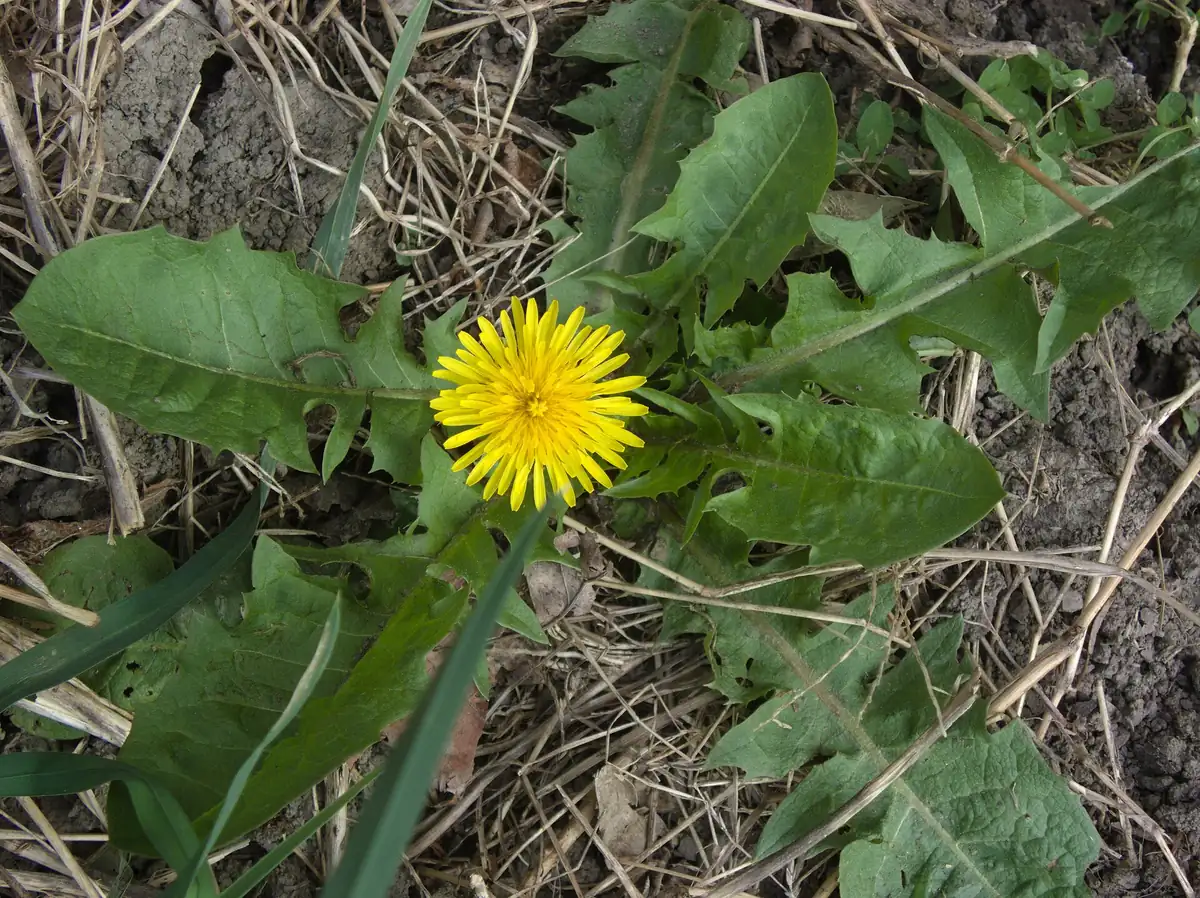
A dandelion in flower with its toothed leaves, an example photo for photo weed identification
Example

Common Dandelion (Taraxacum officinale)

Flowering plant · Aster family

Confidence: 98%

This is a common dandelion, characterized by its bright yellow composite flower head and a basal rosette of deeply lobed, tooth-like leaves. The solitary flower sits atop a hollow, leafless stem that secretes a milky latex when broken.

About the plant

Family
Asteraceae (Aster/Daisy family)
Life cycle
Perennial
Spreads by
Windborne parachute seeds (pappus) and taproot fragments

Risk

Invasive status
Widespread naturalized weed; considered invasive in lawns and pastures
Toxicity
Non-toxic to humans, pets, and livestock; entirely edible
Harm
Competes with turfgrass and garden crops for nutrients, space, and light

How to control it

Non-chemical control
Hand-pull using a weed fork to remove entire deep taproot; prevent seed head formation
Chemical control
Selective broadleaf herbicide (such as 2,4-D, dicamba, or triclopyr)
Best timing
Active growth in autumn or early spring before flowering

Quick Facts

  • Every part of the dandelion (roots, leaves and flowers) is edible and has culinary or herbal uses.
  • A single dandelion plant can produce up to 20,000 seeds that travel miles on gentle breezes.
  • The plant's long taproot pulls calcium and other minerals up from deep soil layers, benefiting surrounding topsoil.

Did you know?

The name 'dandelion' comes from the French phrase 'dent-de-lion,' meaning 'lion's tooth,' referring to the jagged, serrated edges of the leaves.

It could also be

  • Catsear (Hypochaeris radicata)15%
  • Fall Dandelion (Scorzoneroides autumnalis)10%
  • Perennial Sowthistle (Sonchus arvensis)5%

An example answer. Upload your own photo to identify it.

How photo weed identification works here

One photo in, one answer card out. There is no app to install and nothing to fill in.

  1. 1

    Upload one photo of the weed

    For photo weed identification, drag in or pick a JPG, PNG, WebP or HEIC picture of the plant. HEIC photos from an iPhone are converted in your browser before upload.

  2. 2

    Wait for the answer card

    The AI looks at the leaves, flowers, stems and how the plant grows. An answer usually arrives in 10 to 20 seconds.

  3. 3

    Read the name, the risk and the fix

    The card gives the common and scientific name, the AI's own confidence, and three groups: About the plant, Risk and How to control it. Lookalikes are listed under It could also be, each with its own score.

  4. 4

    Check the result before you act

    Photo weed identification is a best guess from one image, so compare the name with a local weed guide before you spray or dig. On our dandelion sample, the card named Catsear and Fall Dandelion as the closest lookalikes.

When a weed identifier saves you work

Photo weed identification pays off when the right name changes what you do next.

  • Lawn weeds that keep coming back

    A rosette that returns after every mow is often a perennial with a deep root. Photo weed identification gives you the life cycle and how the weed spreads, so you know if pulling the top will be enough.

  • Before you buy a herbicide

    The How to control it group starts with pulling, digging, mowing or mulching, then names the kind of herbicide that works and the best timing. For our dandelion sample it suggested a selective broadleaf product in autumn or early spring. Read the product label before you use any of them.

  • Vegetable beds and borders

    Run a photo weed identification on a seedling before you pull it, so the crop stays. The Risk group says what harm the weed does to lawns or crops, which helps you decide how fast it needs to go.

  • Pets, kids and livestock

    The Risk group notes whether the plant is listed as toxic to people, pets or livestock. Treat that line as a pointer, and ask a vet or poison control if an animal or child has eaten a plant.

  • Weed or wildflower?

    Not every volunteer plant is a problem. If photo weed identification finds a plant that is not usually treated as a weed, the card says so. That can save a native flower or a self-sown herb.

  • Paths, patios and fence lines

    Plants in cracks and along fences often spread by runners or seed. Knowing how a weed spreads tells you whether to dig out the roots or stop it before it sets seed.

Photo tips for weed identification

Photo weed identification reads one picture per scan, so put the most telling parts of the weed in that one frame.

  • Shoot the whole plant from above first, so the AI can see whether it grows as a rosette, a mat, a clump, a vine or an upright stem.
  • Get close enough that one leaf is sharp, with its edge, veins and hairs visible.
  • Include a flower, seedhead or seed pod if the plant has one, and take the photo before you mow.
  • For grass-like weeds, show where the leaf meets the stem and any seedhead, since young grasses look alike from a distance.
  • Isolate one plant: lift it against the soil or a plain card when several weeds are tangled together.
  • For photo weed identification, use daylight and fill the frame with the weed, not the lawn around it.
  • If the confidence is low or the lookalikes score close to the top name, take a new photo of a flower or the stem base instead of scanning the same one again.

Frequently asked questions

Yes. Take the photo with your phone or camera, then upload it on this page in any browser. Photo weed identification here reads one picture per scan and returns a text answer card, usually in 10 to 20 seconds.

This one is free to use for one scans a day, with no sign-up and no credit card. The allowance resets each day (UTC) and is shared across every identifier on this site, not per page.

This page is built for the weed question itself. Instead of a list of similar images, you get one card with the weed's name, its life cycle and spread, whether it is invasive or toxic, and how to control it, plus the closest lookalikes.

Start with the type: broadleaf weeds have wide leaves with branching veins, grassy weeds have narrow blades with parallel veins, and sedges look like grass but often have triangular stems. Then photograph the whole plant and a close leaf or flower, and upload it here for a name. If you still can't name it, a local Extension office or weed clinic can confirm it.

After photo weed identification, the How to control it group lists non-chemical removal first, such as pulling, digging out the root, mowing or mulching. If that isn't enough, it names the kind of herbicide that tends to work and the best time to apply it. It is general advice, so follow the product label and local rules.

Photo weed identification can flag risk: the Risk group says whether the plant is generally listed as toxic to people, pets or livestock. That depends on the name being right, so if a pet has chewed a plant, call your vet or an animal poison line rather than relying on the card.

There is no accuracy figure to quote. The confidence on the card is the AI's own estimate of how sure it is, not a tested score. Seedlings and grassy weeds are harder from one photo, so a flower or seedhead in the frame helps, and the It could also be list shows what else it might be.

The card says so. If a plant is not usually treated as a weed, the answer notes it, so you can decide whether to keep it.

Your photo is sent to the AI model only to identify it; we do not save it or use it to train AI models. The answer is shown only on the page and is gone when you refresh or leave.

No. This weed identifier runs in a web browser on a phone or computer. Photo weed identification works from any picture in your camera roll; there is no app, no account and no live camera mode.